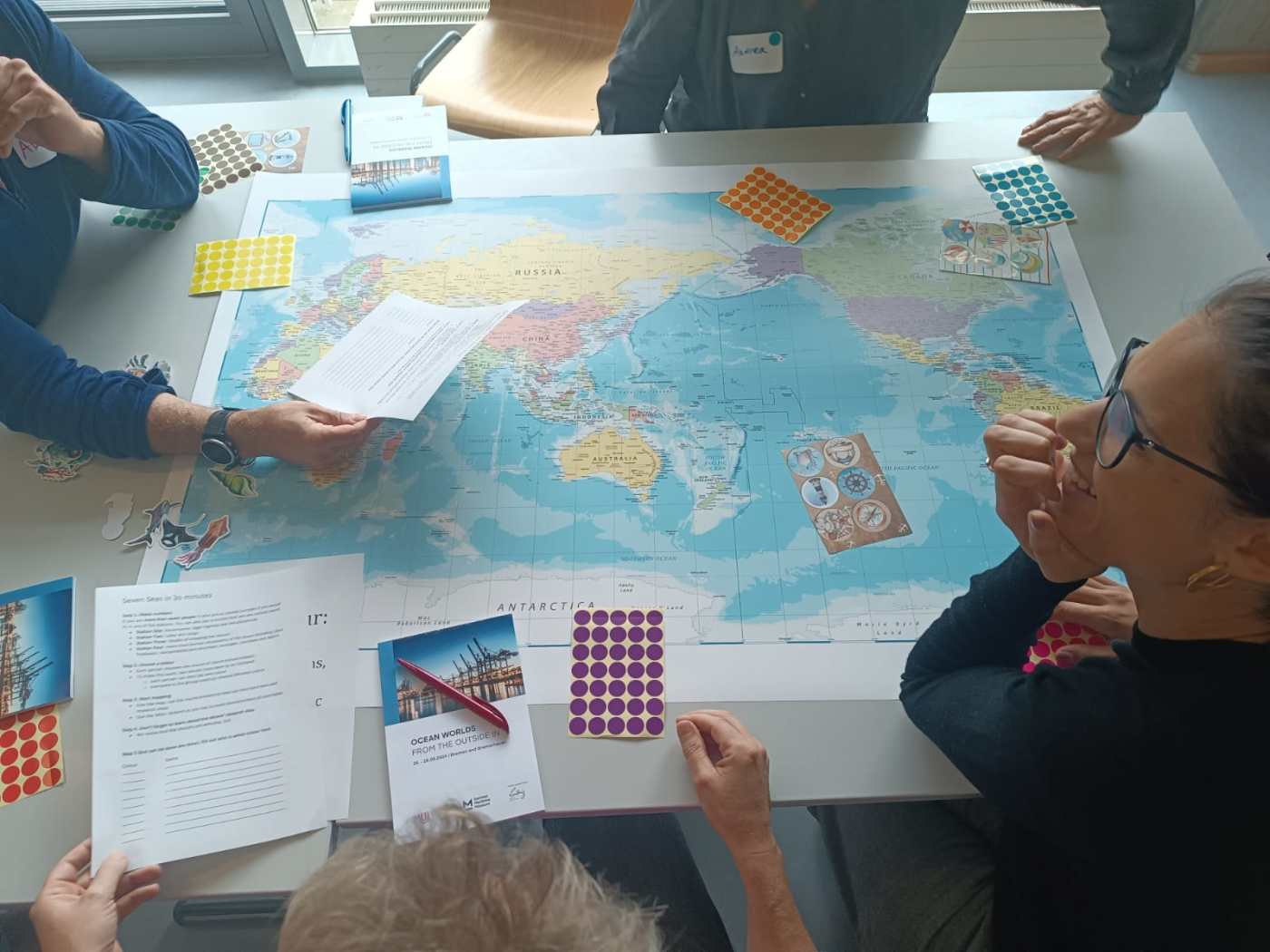
From the 26th to the 28th of September 2024 I have been invited to contribute to the think-and-networking event “Ocean Worlds. From the outside it” organised by Andrea Muehlebach, Anja Binkowski, Sven Bergmann, Karin Ahlberg, Leonie Tuitjers, Enes Dogruin at the University of Bremen and the German Maritime Museum in Bremerhaven, Germany.

The inspirational invitation recites: “Inspired by the low German phrase „Buten un binnen – Wagen un Winnen“ (“out and in, dare and win”), which was chiselled onto the front entrance of the city of Bremen ́s guildhall in 1899, our workshop emerges out of a region that have long been deeply involved in maritime
trade. Bremen and Bremerhaven thus both conceptualize their terrestrial existence from the
“outside in” – cities built through and mediated by an almost 1000 year-long history of
seafaring and maritime trade. The phrase “out and in” encapsulates how Bremen and Bremerhaven have long seen themselves as constituted by their oceanic horizons and by the risks and gains, dangers and
gifts that this vantage point brings. Similarly, we have witnessed a wave of humanities and
social sciences researchers who theorize the world’s oceans not as the vast expanses that
begin where inhabited territories end, but as mediators and archives of these territories and
their inhabitants. The goal of this workshop is thus to share our knowledge and networks as
we think through oceanic materialities, ecologies, world histories, societies, economies and
infrastructural projects. How does thinking from the seas and the oceans push us
conceptually, theoretically, empirically, methodologically? What does thinking from the
water ́s edge, from aboard vessels, and from the materiality, movement, and depth of the
ocean itself mean for us as we think about current and future research trends? The point
about moving from terracentric concepts to the seas and oceans is that it ought to be
transformative – more than just a shift of routinized, time-honoured concepts and methods to
new sites and locations. Instead, the oceanic turn promises to be a theory machine, as Stefan
Helmreich put it – an object in the world that stimulates novel theoretical as well as
methodological and empirical formulations. We are excited to spend these days with you as we explore new currents of thought in the oceanically-inspired humanities and social sciences. Let our various locations and our movements through them inspire you.”
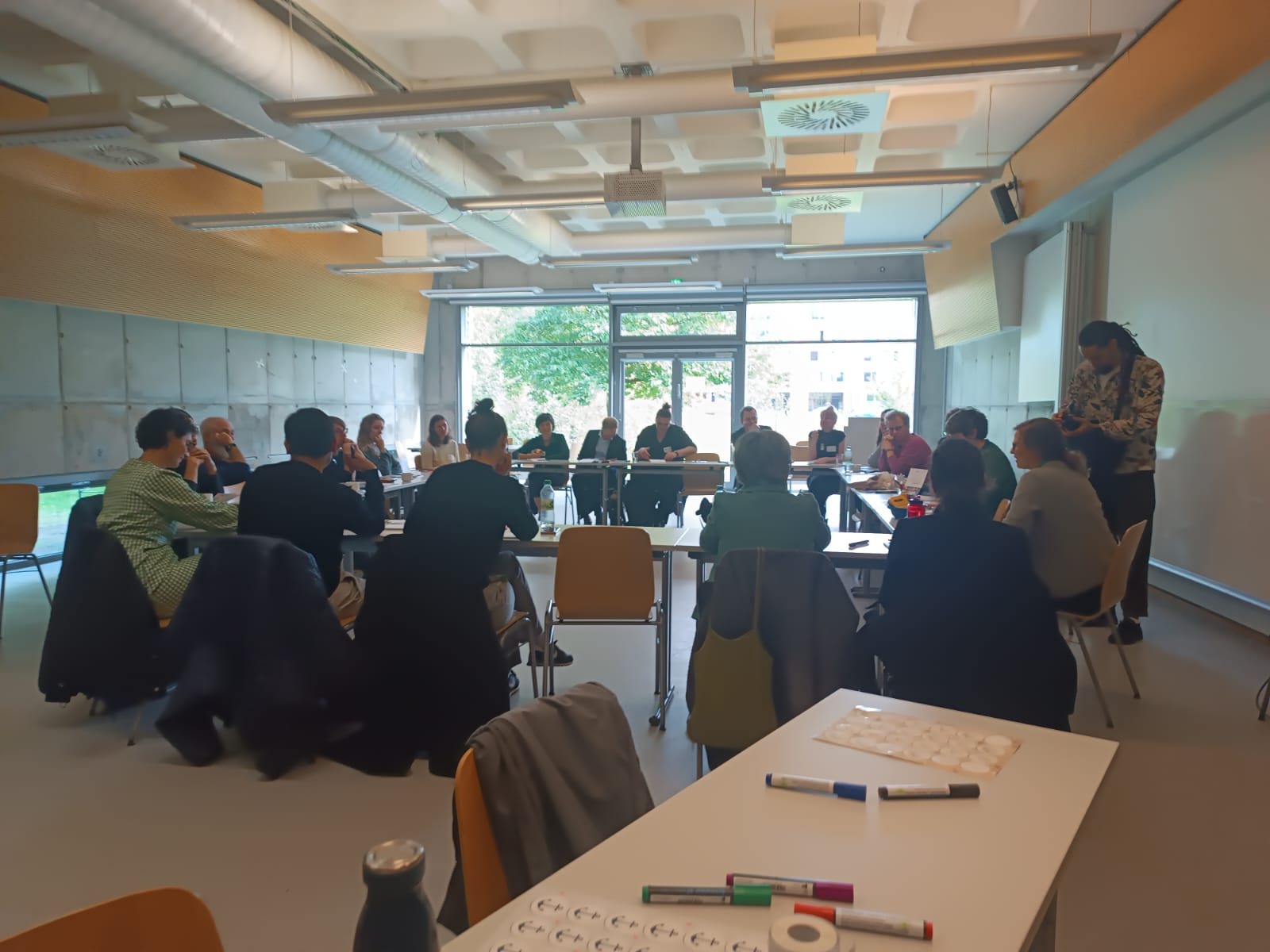
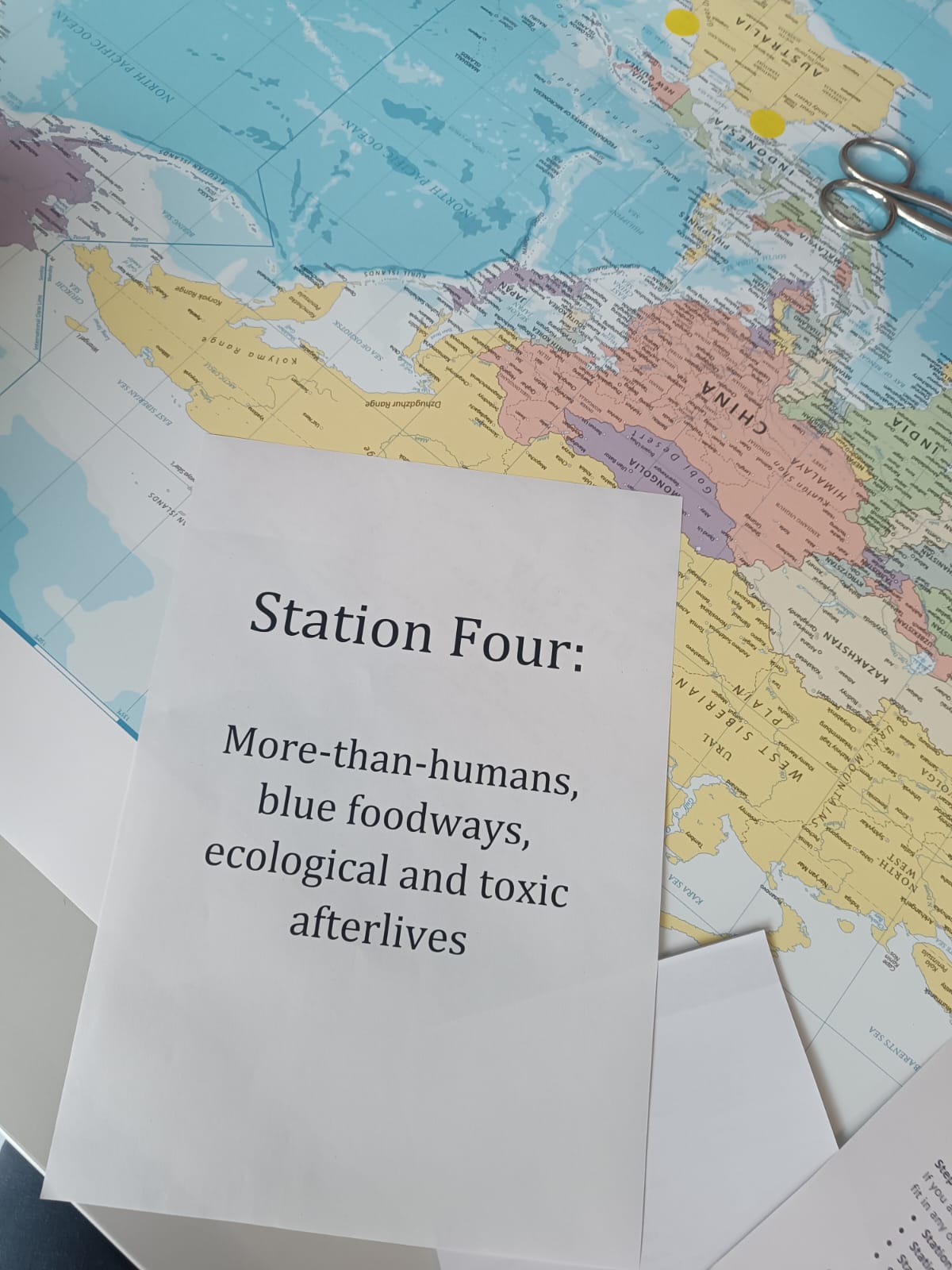
The workshop was intended to:

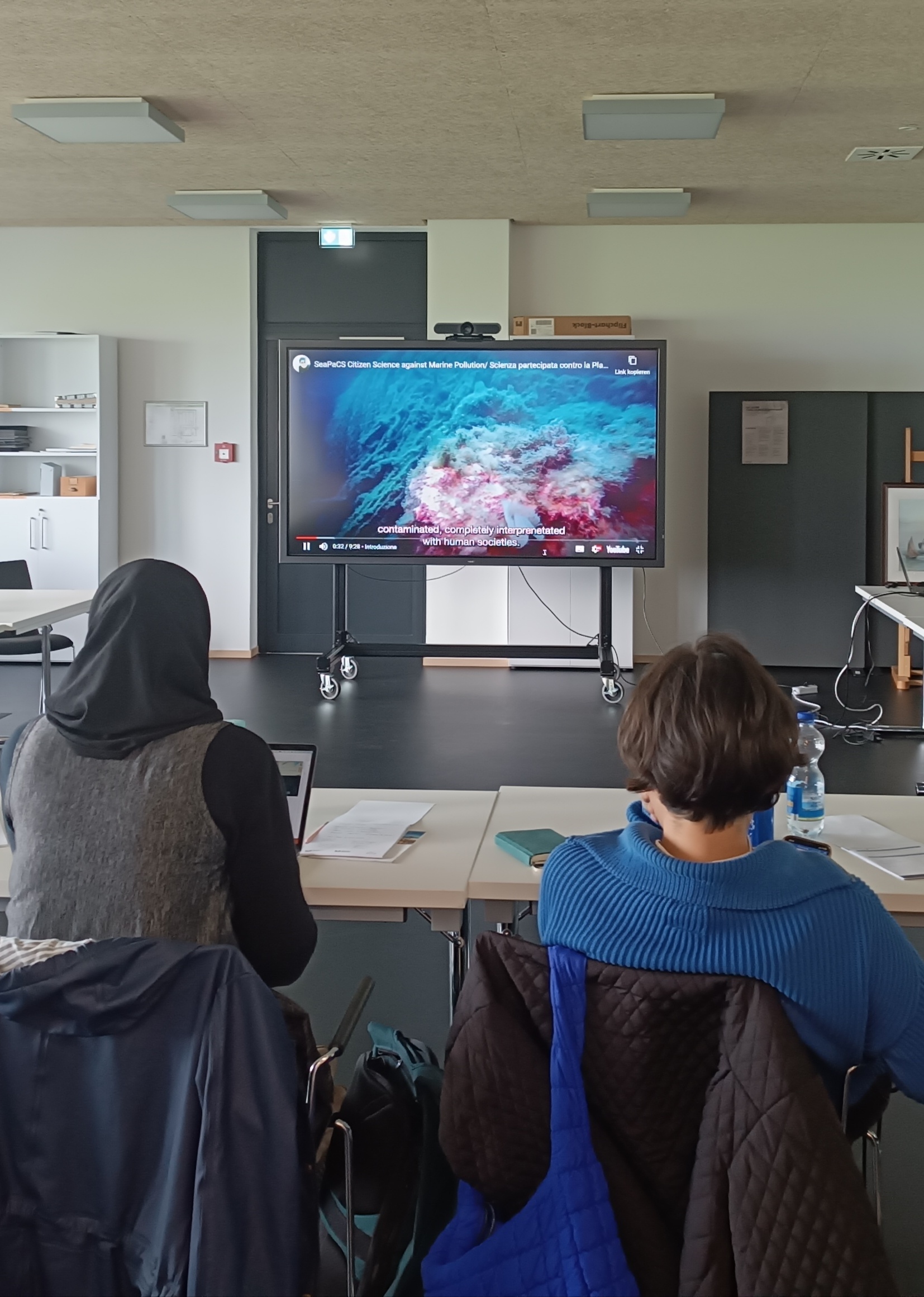
As part of the continuous work fed by the EU CS Prize for SeaPaCS and the FishArt projects, my contribution to the common discussion focused on how emerging natureculture assemblages are materially and semantically questioning ecological life-supporting systems and how we can “stay with the trouble” entails the adoption a multispecies perspective to address the complexities of Chthulucene in face of marine ecosystems transformations. I discussed with invited scholars how me and my team work, are contributing to the emergent movement of ideas and practices that interpret the sea as a conceptual and physical space for reconsidering our relationship with the complex, heterogeneous and mutable ecological systems of the Anthropocene; and, in consideration of the drastic and dramatic changes affecting our ocean’s health, is working toward a paradigm change in social consideration of the socio-cultural meaning of the ocean and connection with the sea.
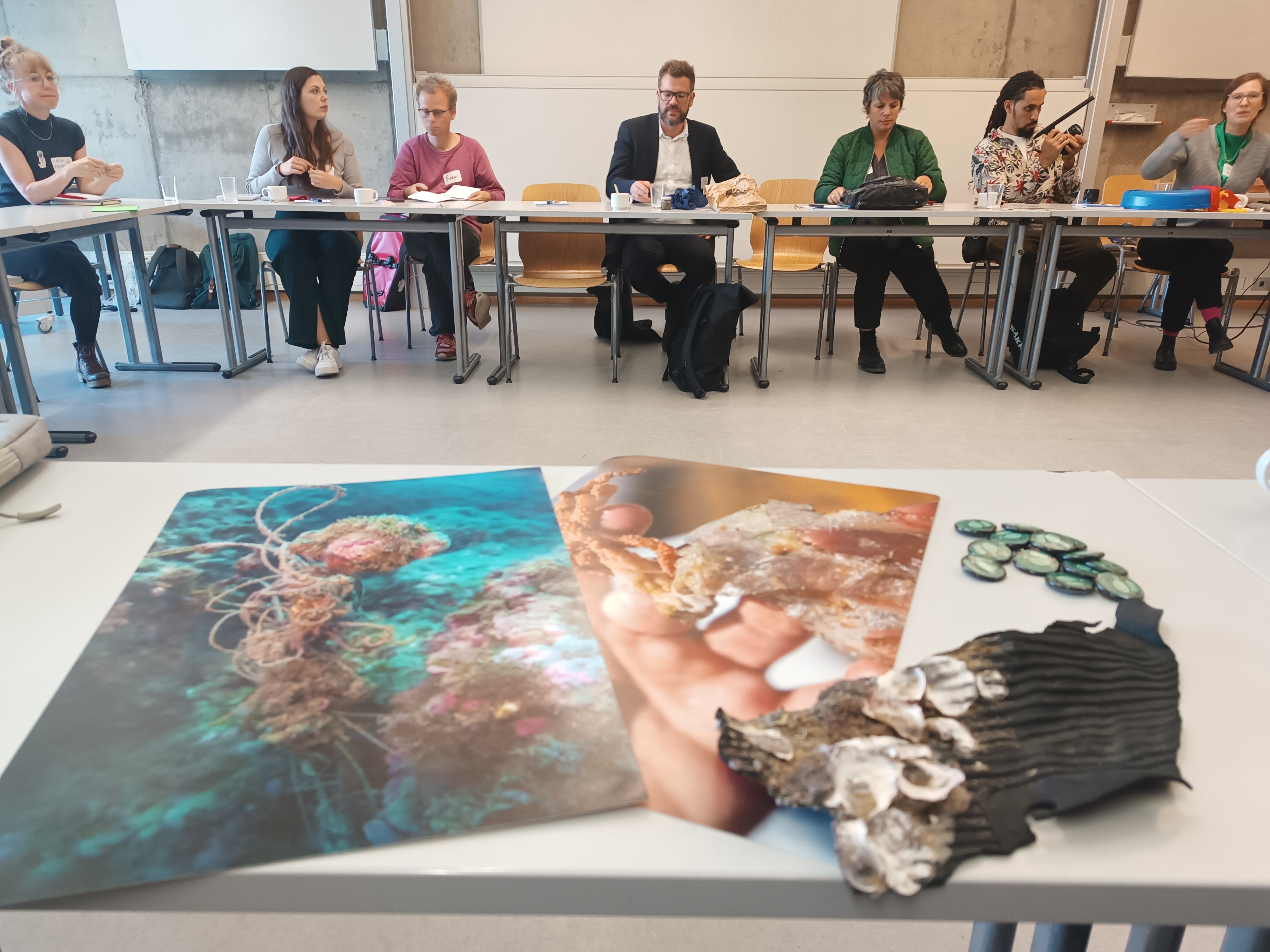
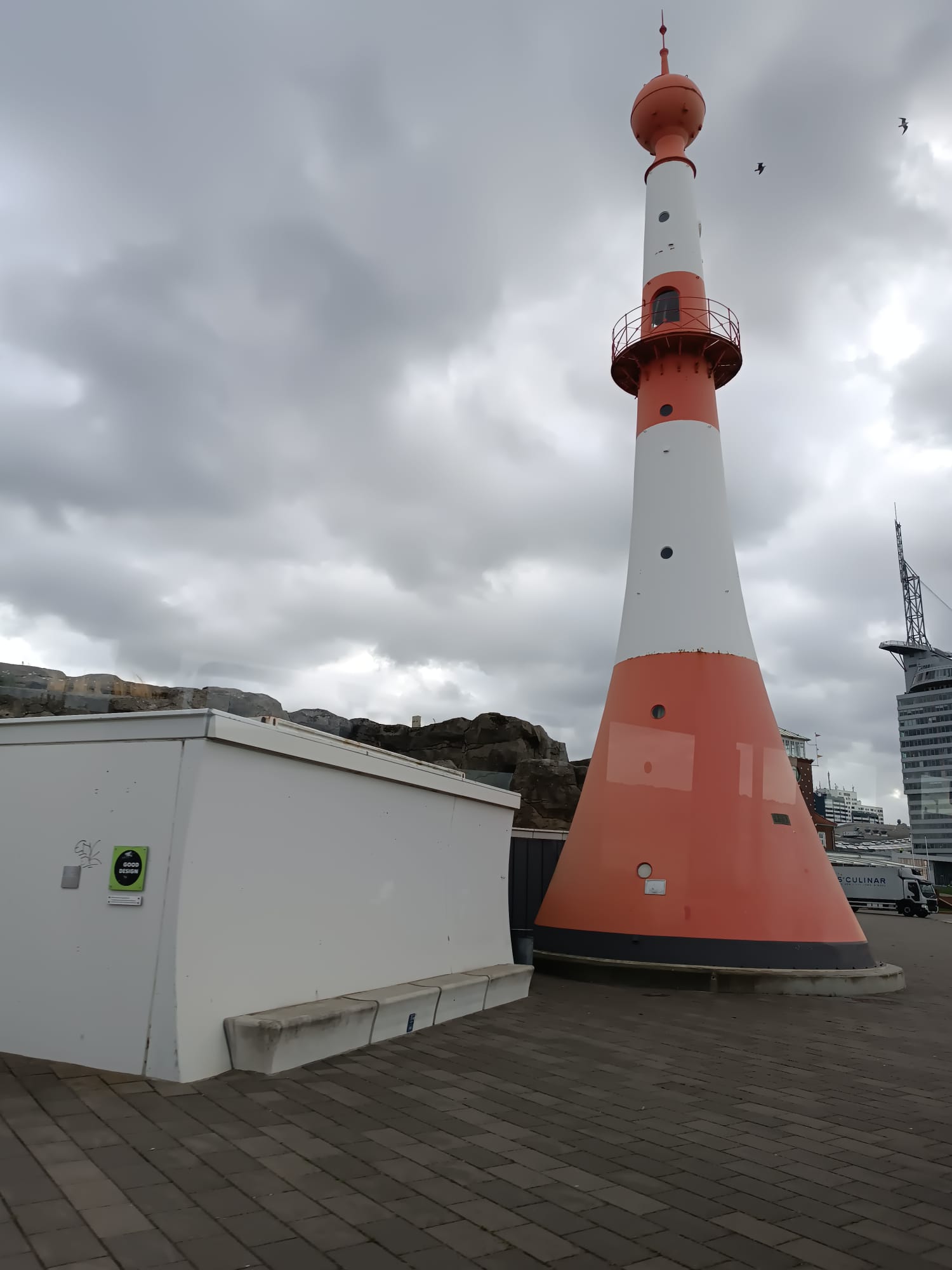
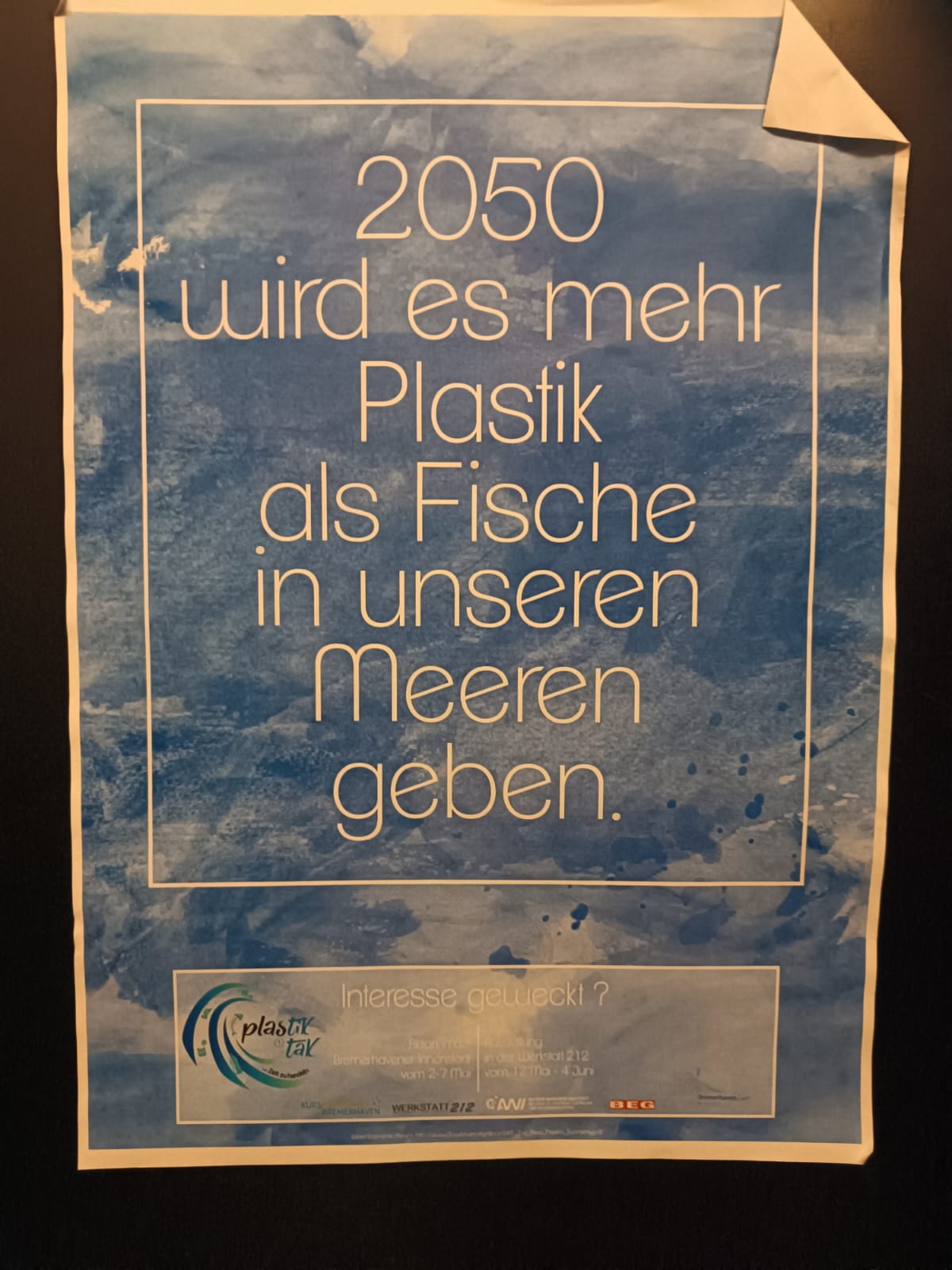
Exploration of the Nordsee and the German Maritime Museum:

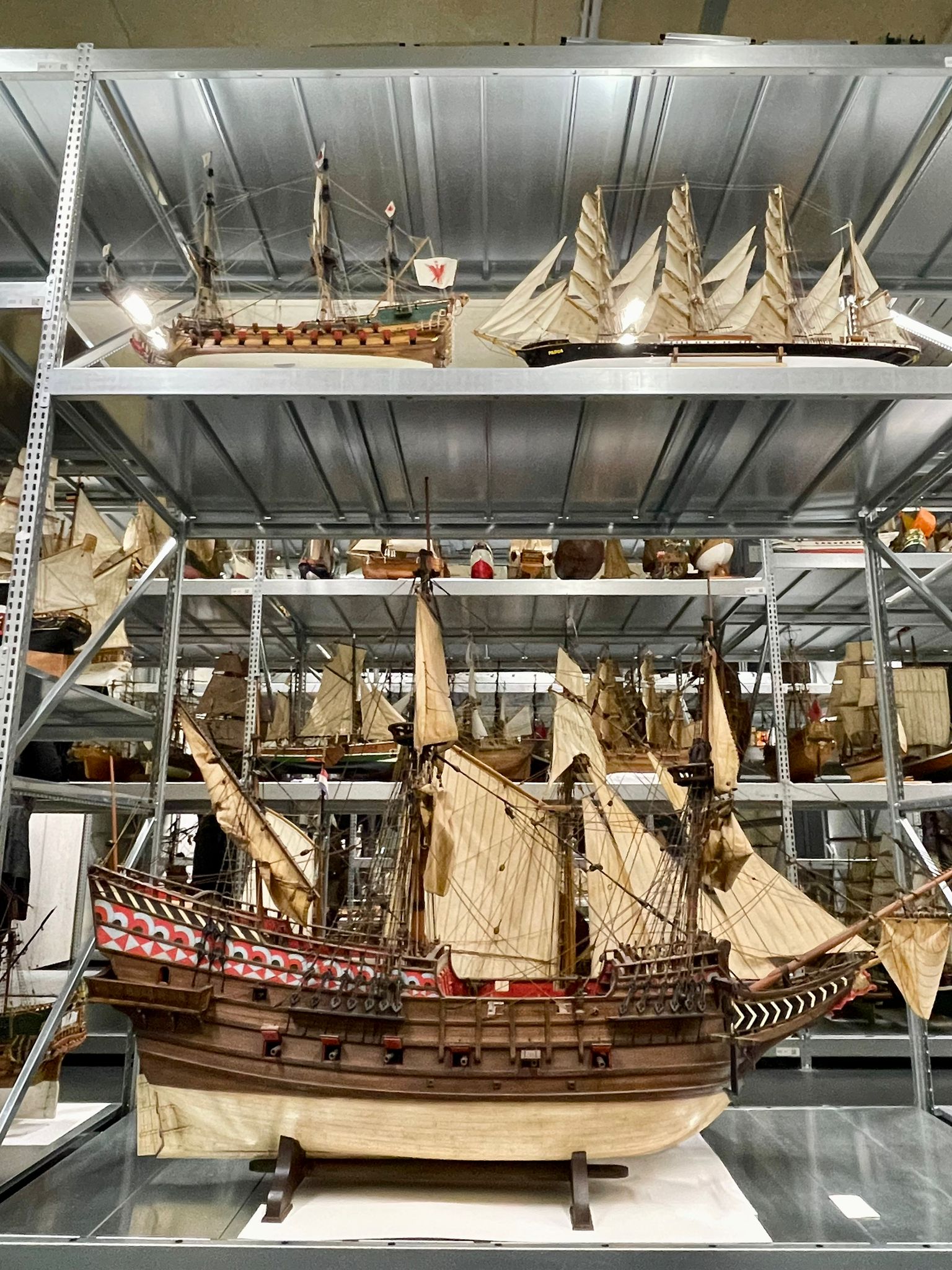
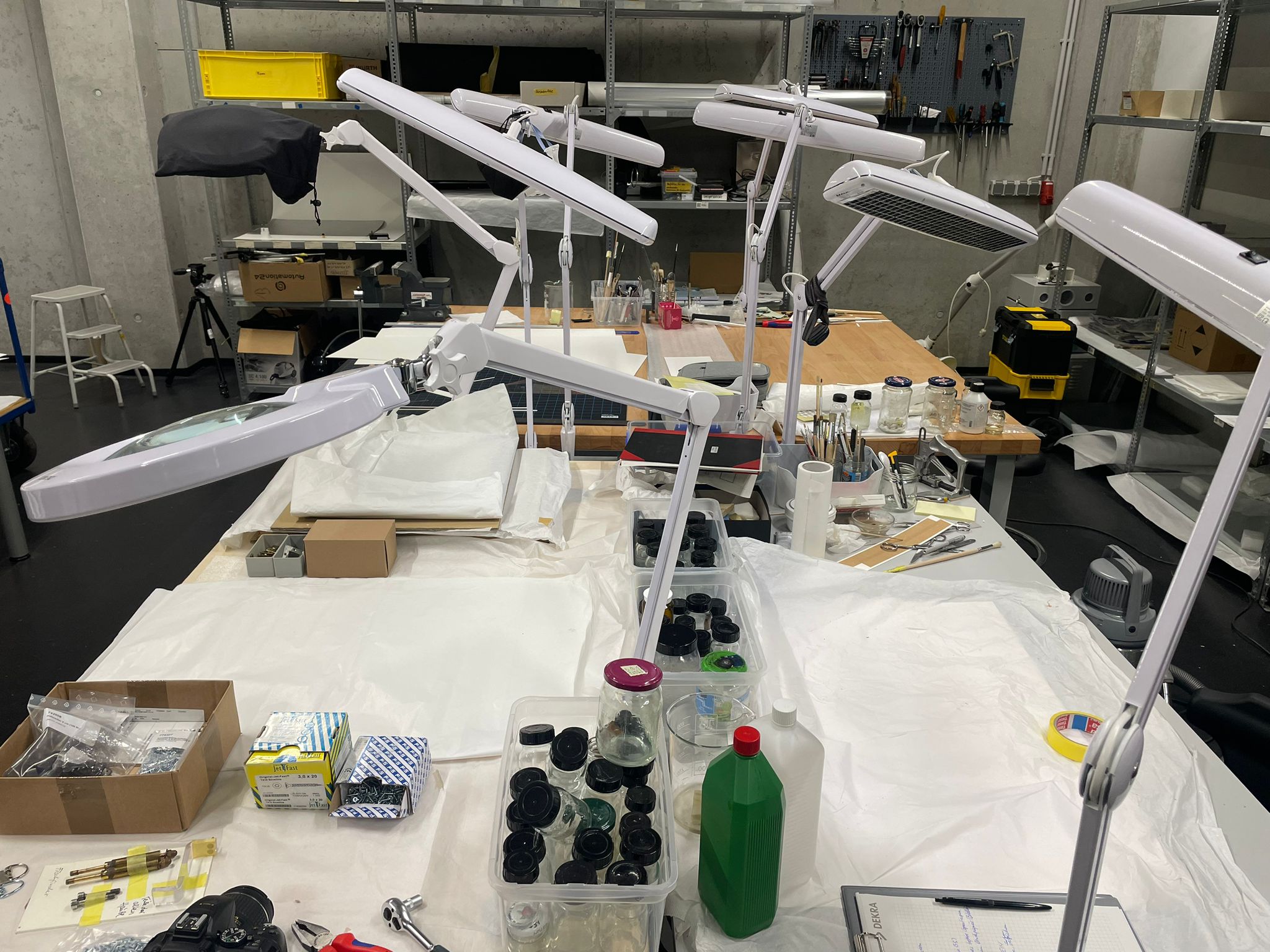
Conference video: https://drive.google.com/file/d/1ut8OzjdKyn9XJsjY5N-BPMYfX1RnI2CD/view?usp=sharing by Sadek Bouzinou hosted in “Hydroisocialities” portal
 Chiara Certomà
Leave a comment