[Photo Giuseppe Lupinacci (Raw-News)]
At the Royal Geographical Society Annual Conference 2024, London, 29-31 August, I will present the following work:
Visual art and documentation of Ocean Plastic Pollution in Participatory Research. The SeaPaCS experience
Chiara Certoma’ and Federico Fornaro
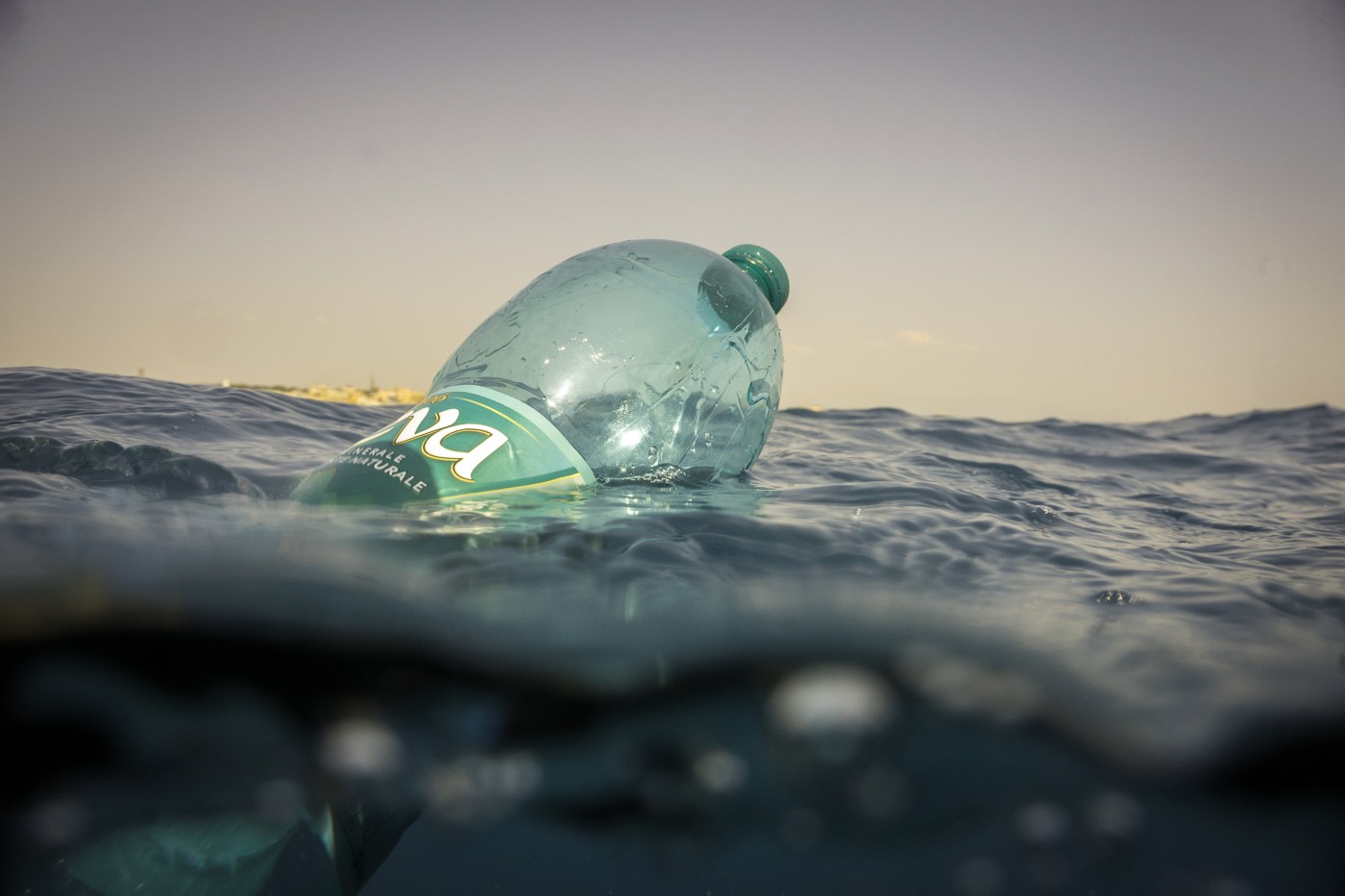
Visual documentation, including professional and amatorial film-making and photography, is a powerful means of creating transformative knowledge and advancing participatory, engaged and action research practices. There is a long tradition in geographical research proving the importance of visual techniques, and film-making in particular plays an increasing role in contemporary society where boundaries between academia and society are blurring and the web – largely dependent on visual contents –drives societal interest and feelings. To introduce our theoretical and methodological considerations, we build on the immersive experience of the EU pilot project “SeaPaCS. Participatory Citizen Science against Marine Pollution”. Facing the crisis of plastic and microplastic pollution in the global Ocean, the project documented and discussed the biological consequences of marine plastic pollution and advanced sustainability-oriented actions in the coastal city of Anzio (Italy) on the Mediterranean Sea. Through visual documentation and, particularly film-making, we have been able to present to people the matter of concern, stimulating the debate, engaging them in doing research on the field, and overcoming the principal practical obstacles in making citizen science and participatory research in the ocean environment. The videos accompanied us in giving a narrative of the entire process, and thus in driving it toward one or another direction, and then in storytelling and outreaching. Therefore, we present our considerations on using film-making and in general visual documentation as a research practice that is particularly useful and prolific in participatory action and engaged research. We interrogate how film-making is able to involve people in the processes of (1) knowledge production (how visual documentation helps to understand the phenomena studied), (2) discussion of what is happening (how the choice of shots, lights and specific technical solutions helps to highlight the problem and provide a specific vision of it), (3) propose interventions (such as images produce an emotion that leads to action). We describe our methodological approach complementing with a photographic exposition with screening of professional video. Details about the project and the visual documentation: https://crowdusg.net/seapacs/
The paper presentation is expected on the 30th of August, at ICL — Royal School of Mines Room G38, 2:40pm – 4:20pm BST.
Session 1
14:40 – Welcome
14:45 – Helen Underhill and Cat Button – Confluences of Art and Research – Using Creative Methods to Understand People’s Relationships with Water
20 mins presentation + questions
15:15 – Amitangshu Acharya – Visualising matter: the politics of water purification in Bhuj, India
20 mins presentation + questions
15:45 – Chiara Certoma and Federico Fornaro – Visual art and documentation of Ocean Plastic Pollution in Participatory Research. The SeaPaCS experience
15 mins presentation
16:00 – Visit to SeaPaCS Exhibition for questions and discussion
16:20
–COFFEE BREAK–
(return to room G38)
Session 2
16:50 – Sue Russell – Water = power. Masson Mills and the River Derwent
20 mins presentation + questions
17:20 – Toby Blackman – Memorize the Bathwater, Memorize the Air: Drawing out an architectural knowledge of water in The National’s songwriting
20 mins presentation + questions
17:50 – Danny McNally – The ‘River Studio’: Exploring lived experiences of flood risk in Morpeth (UK) using interdisciplinary, co-produced, and creative methodologies
20 mins presentation + questions
18:30 – Close
°°°°°°°°°°°°°°°°°°°°°°°°°°°°°°°°°°°°°°°°°°°°°°°°°°°°°°°°°°°°°°°°°°°°°°°°°°°°°°°°°°°°°°°°°°°°°°°°°°°°°°°°°°°°°°°°°°°°
Moreover, the following photographic exhibition will be exhibited across the Main Hall and the Map Room.
Oceanic assemblages: underwater natureculture entanglements

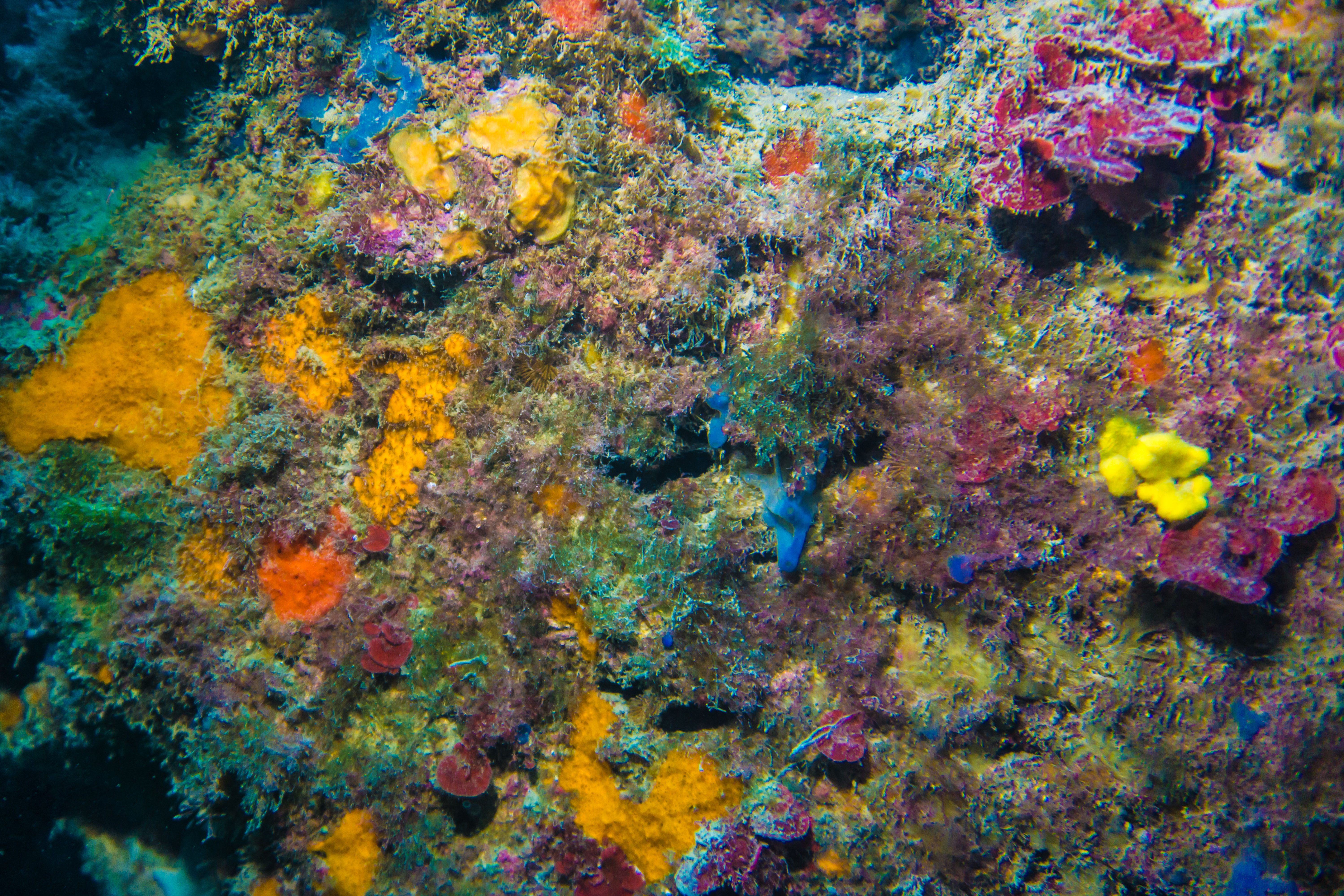

Photographies by Giuseppe Lupinacci (Raw-News)
Ideation: Chiara Certoma (University Sapeinza Rome), technical support: Federico Fornaro (Raw-News)
This exhibition explores how new hybrid assemblages are materially re-making and re-signifying ecological life-supporting systems. Through artistic shots, it documents and denounces how the plastic in the sea are now incorporated into marine ecosystems of the “AnthropOcean”. The Mediterranean Sea, portrayed, hosts complex hybrids of nature and remnants of anthropogenic society. The bodily and material connections of living and non-living actors allow us to understand and shape relational values connecting human society and the marine world to deliver behavioural change.


 Chiara Certomà
Leave a comment