
As part of the European project SeaPaCS, on Thursday 20 July 2023, a crew from Al-Jazeera International produced a news report that will soon be broadcast (details to follow as soon as they will become available); the troupe, led by Hoda Abdel-Hamid and in collaboration with the communication agency Raw-News, went out to sea for an exploration of the seabed with the assistance of th Capo d’Anzio Diving Center, the professional photographers and video-makers of Raw-News and the Italian Naval League of Anzio (LNI). During the shooting, a large amount of seabed plastic was documented.
Later, at the LNI headquarters, the crew interviewed the coordinator of the SeaPaCS project Dr. Chiara Certomà (University of Turin, DIGGEO@ESOMAS Department) who recounted the results of the recent project’s activities related to a sea-going trip on a fishing vessel and fishermen interviews (https://crowdusg.net/2023/07/08/fishing-for-plastic/) as well as the microplastics sampling activities carried out by citizens with the collaboration of Dr. Luisa Galgani (GEOMAR, Kiel, Germany) (https://crowdusg.net/2023/07/08/sampling-microplastics-on-a-sailing-vessel/). Dr. Certomà explained the problem of marine plastic pollution, its relationship to climate change and the effects that derive from this deadly combination for our oceans that are transforming through changes in ecosystems of which we can only partially imagine the consequences.The interview mainly focused on what we can document about macroplastics, microplastics and nanoplastics, what kind of effects these can have on marine and terrestrial life and human societies. In particular, the interview focused on the Mediterranean Sea, a closed basin acting as accumulation zone, where the effects of climate change are more evident than elsewhere. Moreover, it was still emphasized that Anzio is a particularly interesting place, as pointed out several times by the diver Davide Rinaldi, precisely because of its rich biodiversity with, for example, native species of gorgonians or species of nudibranchs (small gastropod molluscs with a soft and flexible body) that are attested only in this area. This multiple biodiversity is, however, threatened by plastic pollution, documented in considerable quantities and already “attacked” by marine life.
Contacts:
Chiara Certomà: 338.3858424, chiara.certoma@unito.it
Federico Fornaro: federico.fornaro@raw-news.net
Nell’ambito del progetto europeo SeaPaCS, nella giornata di giovedì 20 luglio 2023, una troupe di Al-Jazeera International ha realizzato un servizio che sarà presto messo in onda (dettagli a seguire non appena disponibili); la troupe, guidata da Hoda Abdel-Hamid e in collaborazione con l’agenzia di comunicazione Raw-News, è uscita in mare per un’esplorazione dei fondali con l’assistenza del Diving Center Capo d’Anzio, di fotografi e video-makers di Raw-News, e della Lega Navale Italiana di Anzio (LNI), durante la quale è stata documentata una forte quantità di plastica depositata sul fondale.
In seguito, nella sede della LNI, la troupe ha intervistato la coordinatrice del progetto SeaPaCS Dr. Chiara Certomà (Università di Torino, dip. DIGGEO@ESOMAS) che ha raccontato i risultati ottenuti attraverso le attività di uscita in mare con i pescherecci e le interviste ai pescatori (https://crowdusg.net/2023/07/08/fishing-for-plastic/) e le attività di campionamento delle microplastiche svolte dai cittadini con la collaborazione della Dr. Luisa Galgani (GEOMAR, Kiel, Germania) (https://crowdusg.net/2023/07/08/sampling-microplastics-on-a-sailing-vessel/).
La Dr. Certomà ha spiegato il problema dell’inquinamento da plastica in mare, la sua relazione con il cambiamento climatico e gli effetti che derivano da questa combinazione micidiale per i nostri oceani che si stanno trasformando attraverso cambiamenti degli ecosistemi di cui riusciamo solo in parte a immaginarne le conseguenze.L’intervista verteva principalmente su quello che possiamo documentare sulle macroplastiche, microplastiche e nanoplastiche, che tipo di effetti queste possono avere sulla vita marina e terrestre e delle società umane. In particolar modo, l’intervista si è concentrata sul Mar Mediterraneo, bacino chiuso e di accumulazione, nel quale gli effetti del cambiamento climatico sono più evidenti che altrove. Inoltre, si è ancora sottolineato come Anzio sia una località particolarmente interessante, come sottolineato più volte dal sub Davide Rinaldi, proprio per la sua ricca biodiversità con, ad esempio, specie autoctone di gorgonie o specie di nudibranchi (piccoli molluschi gasteropodi dal corpo morbido e flessibile) che sono attestati solo in questa zona. Questa molteplice biodiversità è, però, minacciata dall’inquinamento da plastica, documentata in notevoli quantità e già “attaccata” dalle forme di vita marine.
Contacts:
Chiara Certomà: 338.3858424, chiara.certoma@unito.it
Federico Fornaro: federico.fornaro@raw-news.net
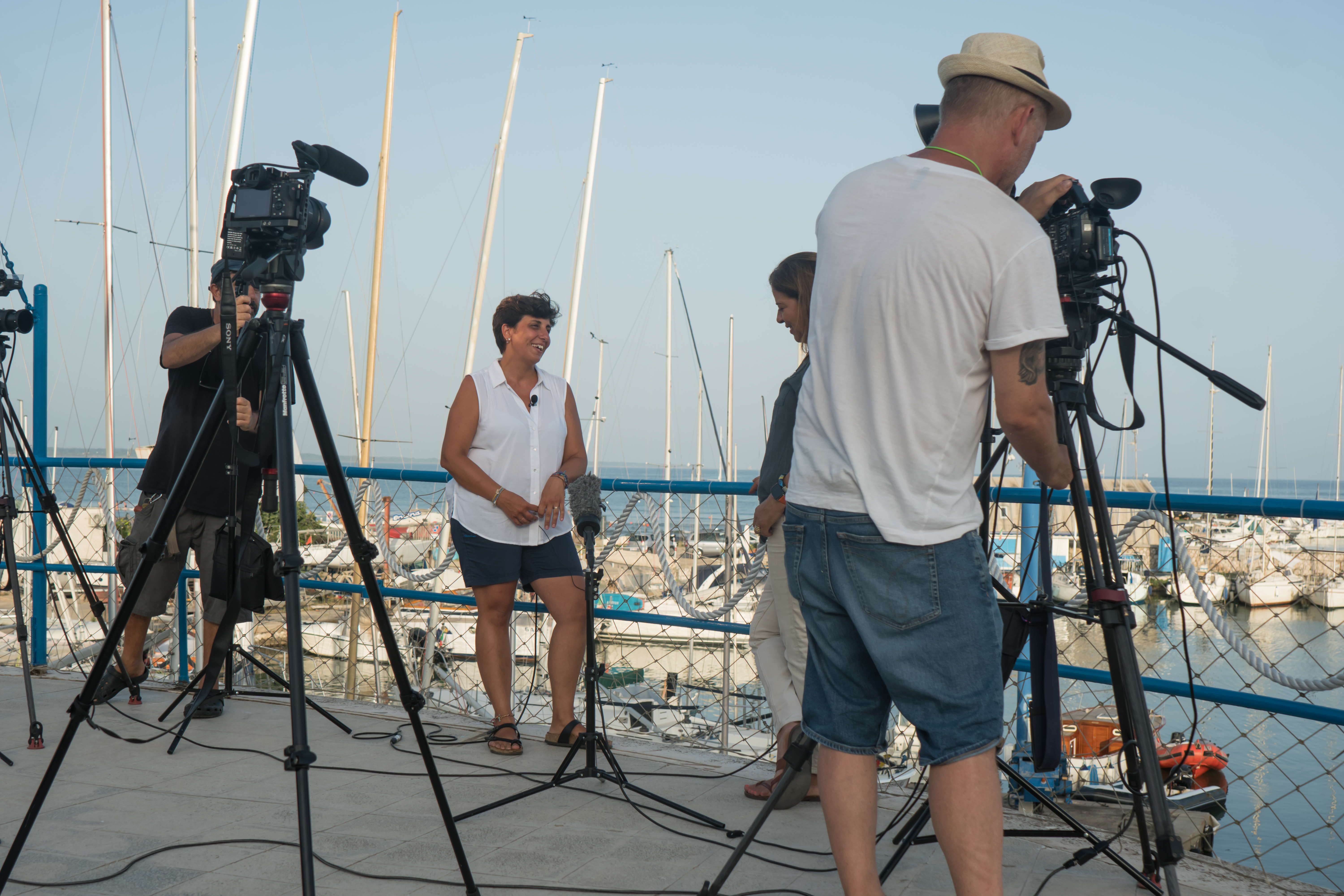


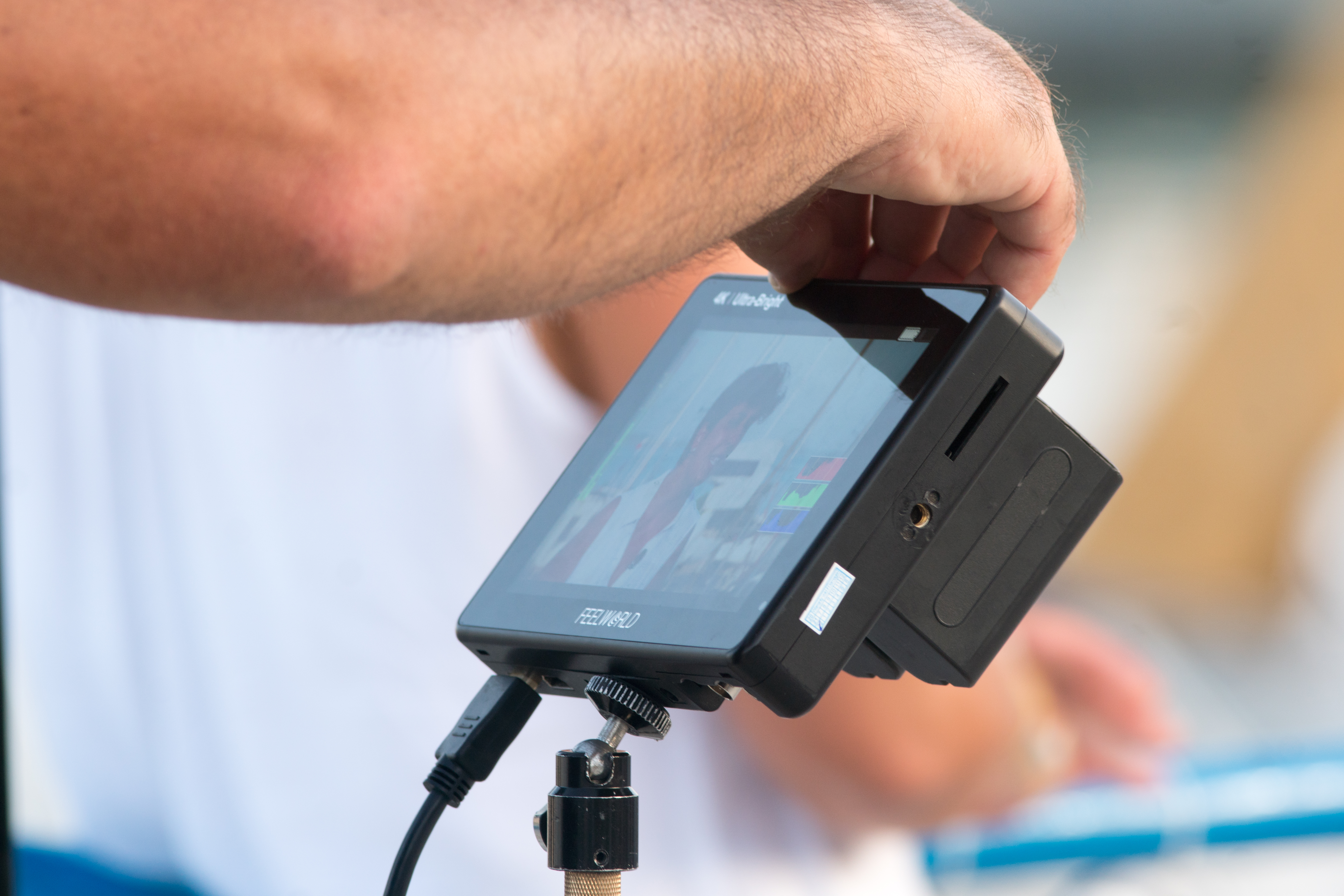
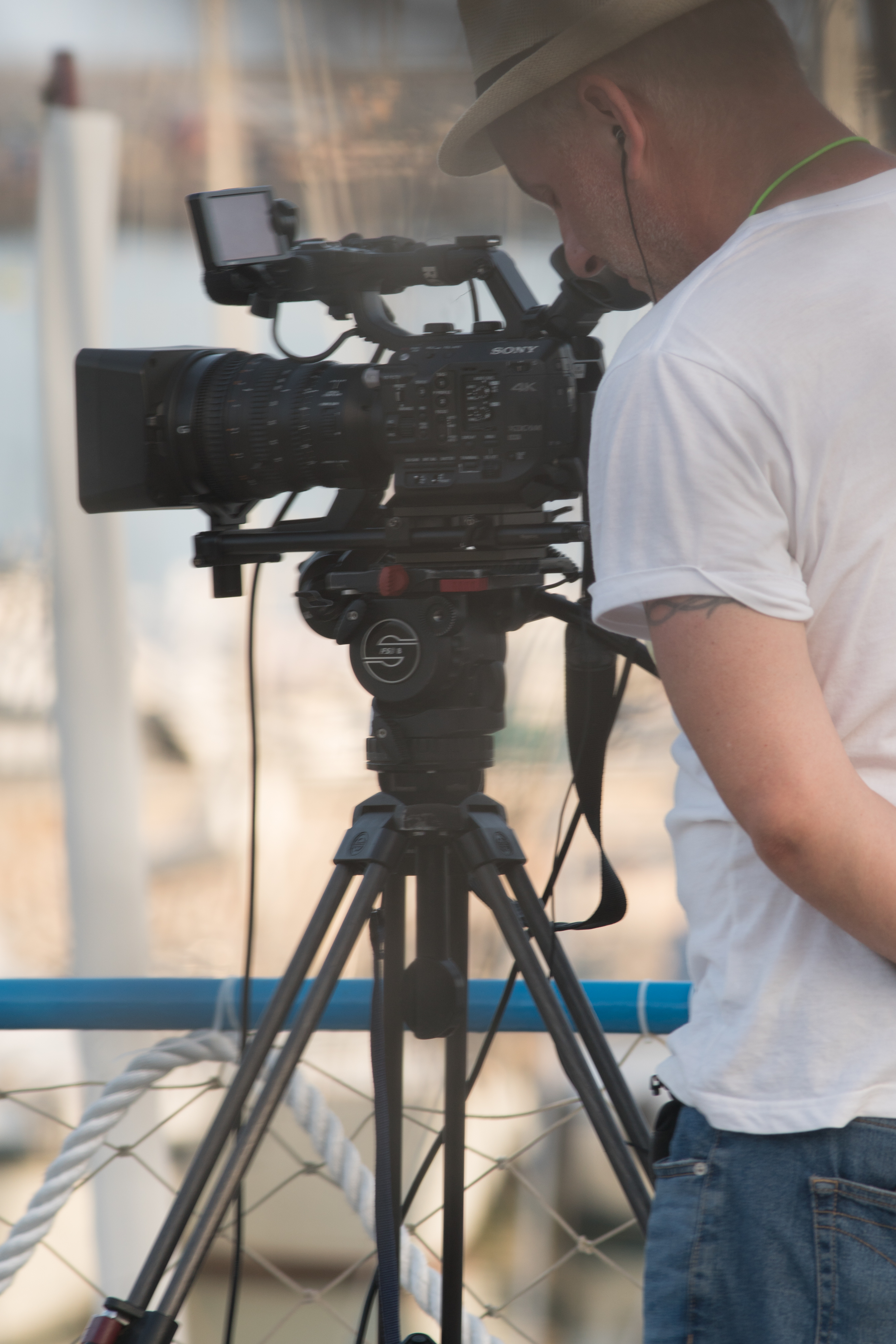


Photos by Giuseppe Lupinacci ©
 Chiara Certomà
Leave a comment