Italian text below – testo italiano più sotto
photos C.Certomà- foto C.Certomà
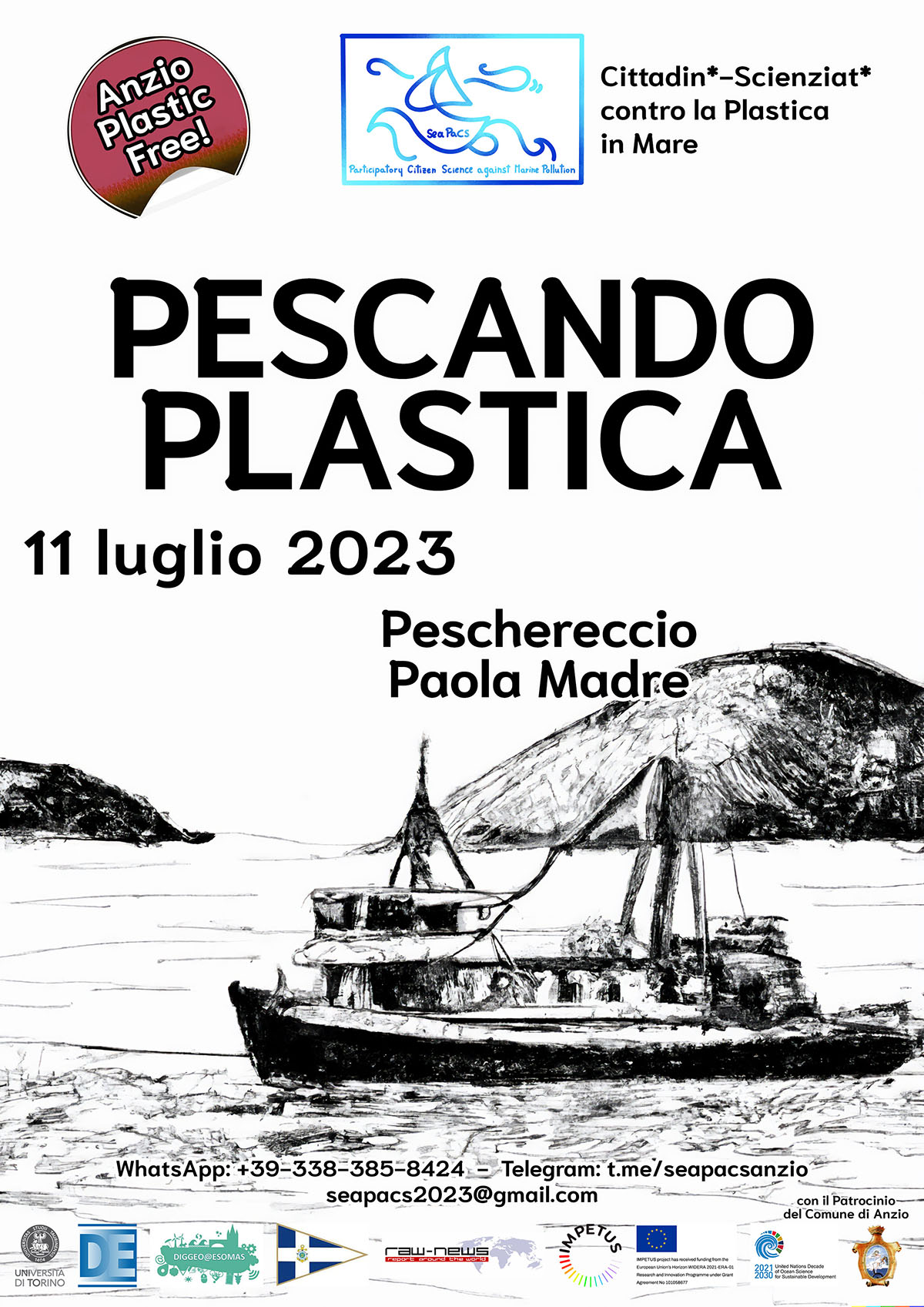
On the 12th of July, researchers of the european project SeaPaCS – Citizen Scientists against Marine Pollution (from the University of Turin, ESOMAS Dept., Italian Naval League and GEOMAR Helmholtz Center for Ocean Research Kiel in Germany) and the film-maker crew of the independent video-documentary society “RawNews”, are leaving from the port of Anzio on the fishing boat Paola Madre owned by Angelo Grillo together with the fishermen crew, for a marine plastic search and recover trip.
SeaPaCS team is conducting on board interviews during the usual fishing activity and documenting the work performed by the fishermen. The “experts of the sea” are fundamental witnesses on the marine plastic pollution problem and on the eventual recovery and disposal of the plastic encountered at sea. Thanks to the collaboration with RawNews, all the search and recovery operations and the interviews are documented and finally presented to SeaPaCS volunteers and the whole community in the framework of the following project’s meetings, project that officially kicked off on the 1st of July, 2023 in the head office of the Italian Naval League in Anzio. The kickoff event has seen the participation of a broad audience of citizens, experts, and representatives of cultural, environmental and fishing associations.
Il 12 luglio 2023, i ricercatori del progetto europeo SeaPaCS – Cittadin*-Scienziat* contro la Plastica in Mare (provenienti da Università di Torino, Dip. ESOMAS, Lega Navale Italiana e GEOMAR Institute Kiel) insieme alla troupe della società di video-documentazione indipendente Raw-News s’imbarcheranno sul peschereccio Paola Madre di Angelo Grillo dal porto di Anzio per un’uscita con i pescatori alla ricerca e al recupero di plastica in mare.Il team di SeaPaCS condurrà delle interviste a bordo del peschereccio durante l’usuale attività di pesca e ne documenterà il lavoro svolto. Gli “esperti del mare” potranno quindi testimoniare sul problema dell’inquinamento da plastica, sulla possibile eventualità di recupero e smaltimento di quanto trovato e raccolto. Grazie alla collaborazione con RawNews, tutte le operazioni di ricerca e le interviste saranno documentate e, infine, presentate ai volontari di SeaPaCS e a tutta la cittadinanza nel corso degli incontri successivi delle fasi più avanzate del progetto, la cui partenza ufficiale è stata il 1 luglio 2023 nei locali della sede di Anzio della Lega Navale Italiana con una nutrita partecipazione di cittadini, di esperti, e di rappresentanti di associazioni culturali, ambientali e di pesca.
Report of “Fishing for plastic”
The European Project SeaPaCS – Participatory Citizen Science against Marine Pollution – team jointly with Raw-News troupe, left the port of Anzio on the fishing boat MV Paola Madre on the 12thJuly 2023 to document the work at sea of the fishermen and interview them.
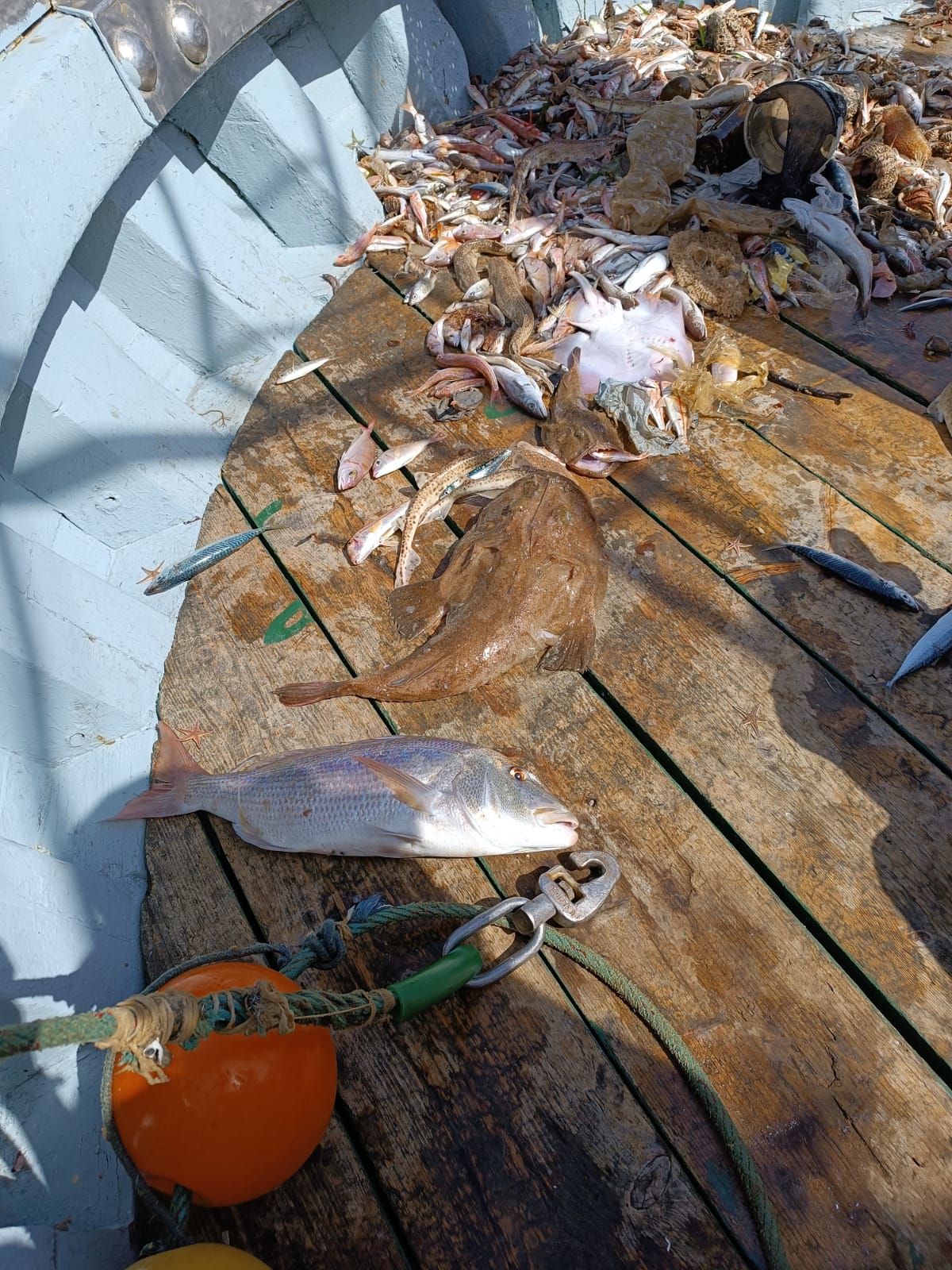
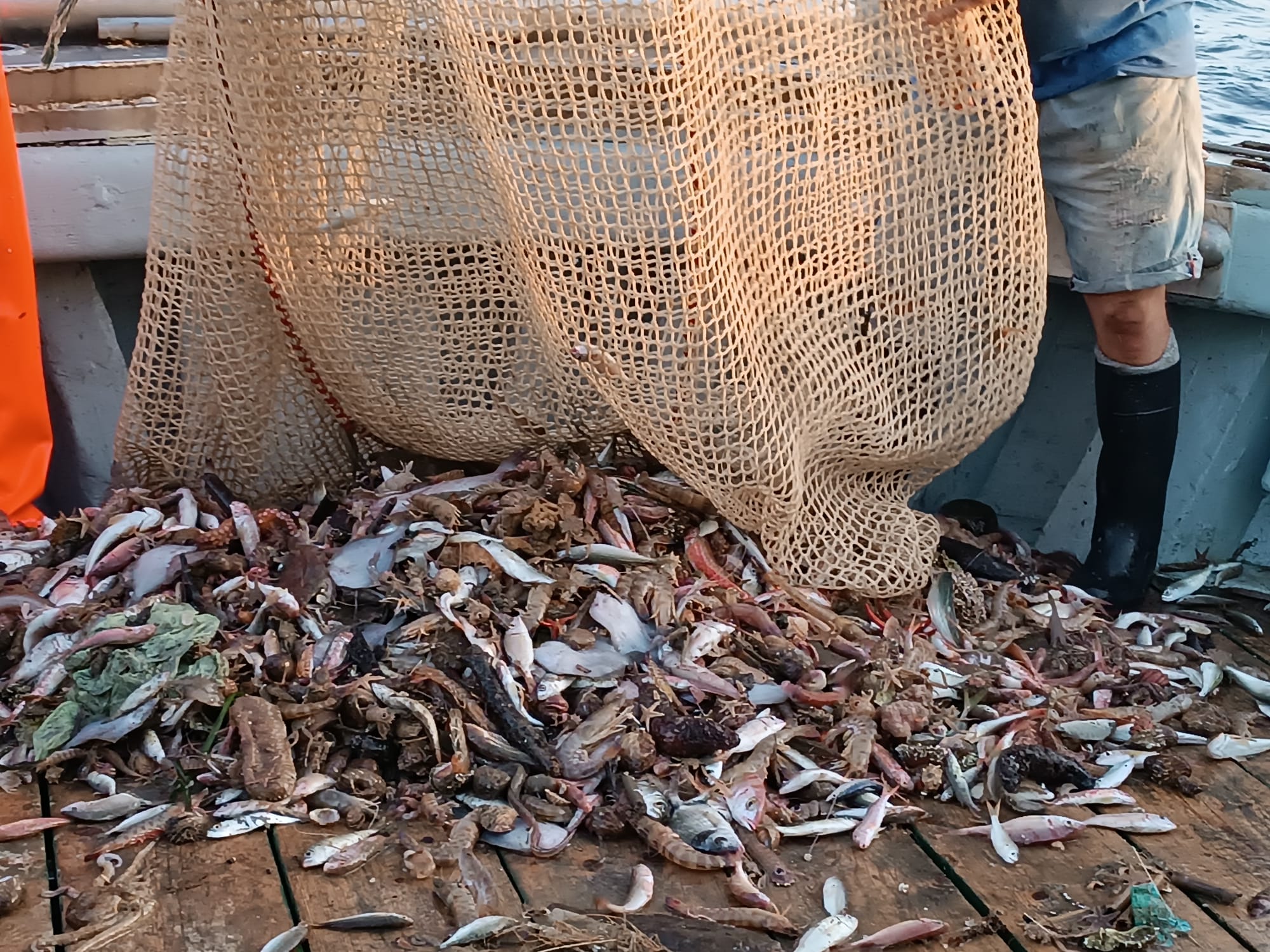
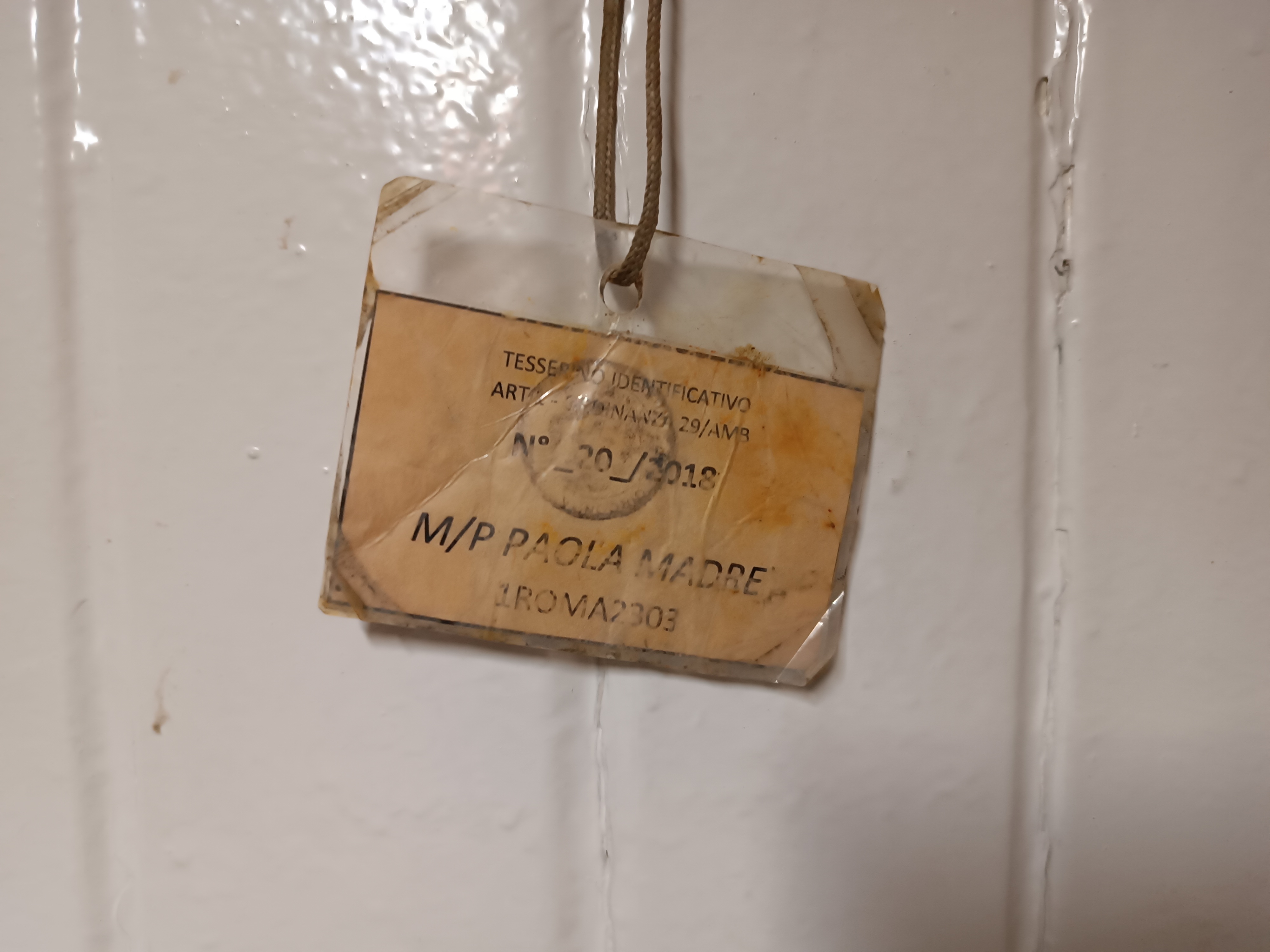
The MV Paola Madre is a 20m long fishing boat owned by Capt. Angelo Grillo. The crew is composed by Capt. Grillo and two fishermen from Egypt. During the night, three trawl catches were made in an area between 3 and 20 nautical miles from the coast. Every trawl was dragged for about 10 nautical miles for a duration of three to four hours each. The abundance of plastic was recorded for every catch, mainly fragmentary and mostly consisting of containers and plastic films. In this time of the year little trash was located and recovered due to little input from rivers for the lack of rains. The fishermen reported that, during the winter time, the trash recovered by the boats is about 70% more than the one recovered in summer time due to stronger marine currents and rain events.
It is worth pointing out that the boat trip was made in an area of high trawling intensity, removing macroplastics too.
During the fishing activities, the SeaPaCS researcher interviewed Capt. Angelo Grillo and the crew members who confirmed that the presence of plastic and/or marine litter in general is significant and they can bring back to port at least a big bag of trash every two days. The fishermen reiterated that the typology of plastic fished is mainly composed of plastic bottles, but all the litter recovered and brought back must go to the general waste bin due to the lack of an “eco-centre” in Anzio where waste can be delivered according to its typology. Moreover, the fishermen reported that abandoned, lost or otherwise discarded fishing gears (ALDFG) including ropes can cause major problems to navigation as these intertwine with the propeller, while plastic films could clog the engine cooling system causing its overheating. These damages can cost the fishermen thousands of Euros, therefore plastic, they note, causes not only an environmental damage, but also an economic one.
In general, the fishermen stated that they are happy to recover plastic and marine litter to help to keep our seas clean, but they also point out that the presence of a garbage delivery system in the port would help, as well as little incentives could increase the participation in the waste collection at sea.The documentary material produced by the Raw-News team will be available in the coming months, we attach a preview of some photos taken during the work on board.
Il team progetto Europeo SeaPaCS – Cittadin*-Scienziat* contro la Plastica in Mare e la troupe di Raw-News sono partiti il 12 luglio 2023 a bordo del peschereccio Paola Madre dal porto di Anzio per intervistare i pescatori in mare. La Paola Madre, peschereccio di 20m di proprietà di Angelo Grillo, aveva un equipaggio composto, oltre al già citato comandande Grillo, anche due marinai di origine egiziana. Sono state effettuate nel corso della notte tre pescate con pesca a strascico portandosi in un’area compresa tra le 3 e le 20 miglia dalla costa. Ogni pesca a strascico viene effettuata per circa 10 miglia, per una durata di tre o quattro ore ciascuna. A ogni calata è stato possibile documentare la presenza di molta plastica, specialmente in stato frammentario, di contenitori e pellicole, nonostante si sia nel periodo estivo in cui si registri la mancanza di apporto di spazzatura in mare da parte dei torrenti e dei fiumi, infatti i pescatori segnalavano che durante il periodo invernale, complici le maggiori piogge e le correnti più intense, la spazzatura che viene catturata dalle reti da pesca è circa il 70% superiore rispetto a quella recuperata adesso. Vale la pena sottolineare che l’uscita è stata fatta in una zona molto battuta dalla pesca a strascico che, proprio per la sua caratteristica, ha la proprietà di “portare via tutto”, quindi anche le macroplastiche, dall’area. Durante le attività di pesca, la ricercatrice di SeaPaCS ha intervistato il comandante del peschereccio Angelo Grillo e i membri dell’equipaggio che hanno ribadito come la presenza di plastica e/o spazzatura in generale è significativa e riescono a portare a terra ogni due giorni almeno un sacco grande di rifiuti. I pescatori confermano come la tipologia di rifiuti maggiormente pescata è costituita dalle bottiglie di plastica, ma tutta la spazzatura che viene recuperata e portata a terra deve essere per forza conferita alla raccolta indifferenziata proprio per la mancanza di un’isola ecologica ad Anzio nella quale conferire i rifiuti trovati in mare divisi per tipologia. Inoltre, i pescatori segnalavano come la presenza di cime abbandonate può causare problemi alla navigazione, potendosi intrecciare all’elica dell’imbarcazione, mentre pellicole di plastica possono ostruire le condutture di raffreddamento del motore portando al surriscaldamento dello stesso. Tali danni talvolta sono quantificabili in migliaia di euro, pertanto la plastica, fanno notare i pescatori, si rivela essere non solo un danno ambientale, ma anche economico.
In generale, i pescatori hanno ribadito che sono contenti di recuperare la plastica per contribuire a mantenere puliti i nostri mari, ma fanno anche notare che non solo la presenza di un sistema di conferimento nel porto aiuterebbe, ma anche dei piccoli incentivi potrebbero far aumentare la partecipazione alla raccolta dei rifiuti in mare.Il materiale documentario prodotto dall’equipe di Raw-News sarà disponibile nei prossimi mesi, alleghiamo un’anteprima di qualche foto scattata durante il lavoro a bordo.





Contatti:
Chiara Certomà: 338.3858424, chiara.certoma@unito.it
Federico Fornaro: federico.fornaro@raw-news.net
 Chiara Certomà